Tennis Restring Signs

Tennis Restring: 7 Signs Your Racquet Needs New Strings

Understanding When Your Tennis Racquet Needs Restringing

Tennis strings gradually lose tension and performance through regular play, even when they have not broken. Worn strings can affect control, spin, power, and comfort, making it harder to maintain consistent shots.

Tennis Restring is an important part of racquet maintenance for beginners and experienced players alike. Tennis String Theory helps players understand their stringing needs and choose suitable options based on playing style, string condition, and performance goals.

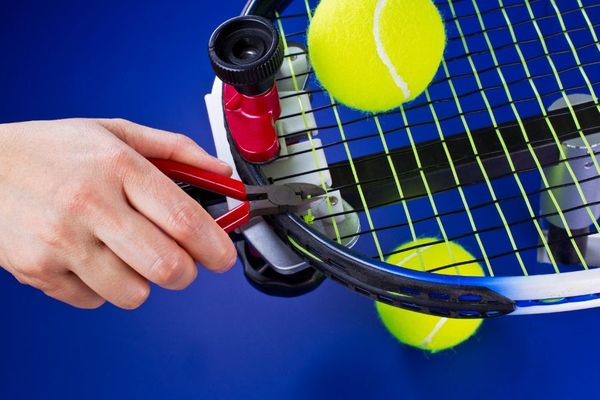
Seven Signs Your Racquet Needs New Strings.jpg

Seven Signs Your Racquet Needs New Strings

Recognizing worn strings early can help you maintain a consistent playing experience. Watch for these seven common signs:

  1. Frequent string movement: Strings shift out of position after shots.
  2. Loss of tension: Your racquet feels different from when it was freshly strung.
  3. Reduced control: Shots become less predictable despite consistent technique.
  4. Less spin: You notice difficulty generating your usual topspin.
  5. Fraying strings: Visible fibers appear worn or damaged.
  6. Unusual feel: The string bed feels unusually stiff or unresponsive.
  7. Broken strings: A snapped string means restringing is necessary before regular play.

These signs can indicate that your current setup needs attention, although performance changes may also come from technique or racquet condition.

Learn more: How often should you restring your racquet?

String Type and Tension Affect Performance.jpg

How String Type and Tension Affect Performance

Different strings offer different combinations of comfort, durability, control, and power. Polyester strings are often chosen by players seeking control and spin, while multifilament strings are popular for their softer feel.

String Selection should consider your playing frequency, swing style, comfort needs, and budget. Tennis String Theory can help players compare suitable string options instead of choosing a setup based only on brand or price.

String tension also affects how the racquet responds at impact. Your ideal tension depends on the frame, string material, and personal preferences, so professional guidance can help you find a balanced setup.

Schedule Professional Racquet Stringing.jpg

When to Schedule Professional Racquet Stringing

There is no single restringing schedule that works for every player. A common starting guideline is to restring as many times per year as you play per week, though string type, playing intensity, and personal preference can change that recommendation.

Professional Racquet Stringing helps maintain a consistent setup and allows players to adjust string type or tension as their game develops. Tennis String Theory offers stringing services and guidance for players who want to improve their racquet's feel and performance.

Players in Falls Church VA, Alexandria VA, and Ashburn VA can explore Tennis String Theory's local racquet services and ask about available turnaround times.

Maintain Your Racquet for Better Consistency.jpg

Maintain Your Racquet for Better Consistency

Regular racquet checks can help you identify worn strings before they affect your game. Look for fraying, notching, unusual string movement, or changes in feel, and keep your racquet stored away from extreme heat.

Tennis String Theory can help players review their current setup and explore string options that suit their playing style. Choosing appropriate strings and maintaining them regularly can support more predictable performance on court.

Learn more: Why Are Your Tennis Strings Breaking So Easily? — And What You Can Do About It

Contact Tennis String Theory

Need help deciding whether your racquet needs new strings? Contact us at Tennis String Theory at (703) 998-4585 to discuss string options, restringing services, and racquet maintenance.

Frequently Asked Questions

1. How often should I restring my tennis racquet?

It depends on how often you play, your string type, and your preferences. Regular players may need restringing more frequently than occasional players.

2. Can tennis strings lose tension without breaking?

Yes. Strings gradually lose tension through use and time, which can change the racquet's feel and response even when the strings remain intact.

3. What are the signs that my tennis strings are worn?

Common signs include fraying, frequent string movement, reduced control, less spin, and a noticeable change in feel.

4. Which tennis strings are best for my playing style?

The right strings depend on your priorities, such as comfort, durability, power, or spin. A professional consultation can help narrow down suitable options.

5. Can new strings improve my racquet's performance?

Fresh strings with suitable tension can help restore a consistent feel. However, results also depend on your technique, racquet specifications, and chosen string type.